The Evolution and Mechanics of the Modern Slot Machine
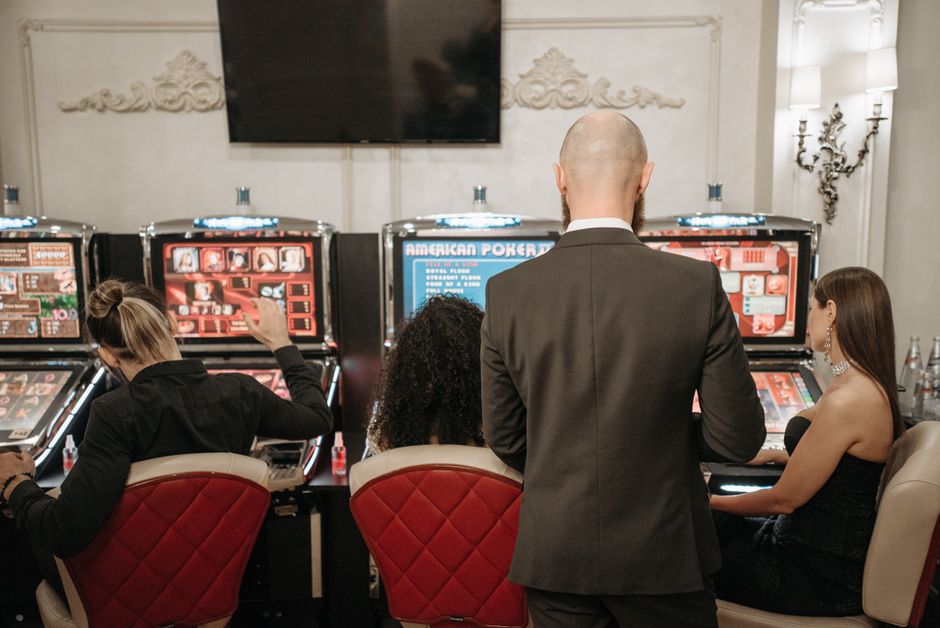
The term 'slot' has become synonymous with casino gaming worldwide, representing the most popular and accessible form of gambling. Modern slot machines are marvels of digital engineering, generating billions in revenue annually. However, their journey from simple mechanical devices to sophisticated interactive entertainment systems is a fascinating story of innovation, regulation, and psychological design. Understanding the mechanics behind the reels is essential for both casual players and industry professionals.
The Historical Foundation of the Slot Machine
The origins of the slot machine date back to the late 19th century. The first true slot machine, the Liberty Bell, was invented by Charles Fey in San Francisco in 1895. This mechanical device featured three spinning reels and five symbols: horseshoes, diamonds, spades, hearts, and the iconic cracked Liberty Bell. It was a simple game—line up three Liberty Bells to win the top prize of 50 cents. These early machines were entirely mechanical, powered by a spring-loaded lever. The term 'one-armed bandit' emerged from this lever (the arm) and the machine's tendency to empty pockets (the bandit). For decades, mechanical slots dominated, with fruit symbols becoming standard to represent prize flavors (hence 'fruit machines').
The Core Mechanics: Random Number Generators and RTP
Today's digital slot machines operate on a fundamentally different principle than their mechanical ancestors. Instead of physical reels, modern slots use a computer program called a Random Number Generator (RNG). The RNG continuously generates thousands of numbers per second, even when the machine is not being played. When a player presses the spin button, the RNG captures the exact millisecond of that action to determine the outcome. This ensures that each spin is completely independent of previous spins, making predictions impossible. Two critical metrics define a slot's mechanics: Return to Player (RTP) and volatility. RTP is the theoretical percentage of all wagered money that a slot will pay back over millions of spins. A typical slot has a RTP between 92% and 98%. Volatility describes the risk level: low volatility slots pay out smaller wins frequently, while high volatility slots offer larger jackpots but with longer dry spells between wins.
From Three Reels to Advanced Video Slots
The transition from mechanical to video slots in the 1980s and 1990s revolutionized the industry. Video slots allowed for unlimited creativity in themes, bonus rounds, and payline structures. Instead of a single payline across three reels, modern video slots can feature 243, 1,024, or even 117,649 ways to win through mechanisms like 'Megaways.' This advancement is built on complex algorithms that map winning combinations across cascading reels or cluster pays. The visual presentation also benefits from high-definition graphics, cinematic soundtracks, and 3D animations, transforming the slot from a simple gambling device into an immersive entertainment experience. Themes range from ancient mythology and blockbuster movies to fantasy realms and branded TV shows, each designed to engage players through narrative and aesthetic appeal.
Bonus Features and Player Psychology
Modern slot design heavily incorporates behavioral psychology to maintain engagement. Key elements include 'near misses' (where two jackpot symbols appear, creating tension), variable rewards (unpredictable bonus triggers), and sensory feedback (flashing lights and celebratory sounds for any win, even small ones). Bonus features are central to this design: free spins rounds with multipliers, picking games, expanding wilds, and progressive jackpots that pool money from many machines. Progressive slots, in particular, create enormous excitement because a single spin can result in a life-changing payout, often in the millions. The integration of 'hold and spin' mechanics, where players collect special symbols to trigger re-spins, further deepens engagement. These features are carefully calibrated by mathematicians and game designers to balance entertainment with house edge, ensuring the game remains profitable for operators while being attractive to players.
Regulatory Environment and Responsible Play
Slot machines are among the most heavily regulated gambling devices. Jurisdictions like Nevada, New Jersey, and the United Kingdom require rigorous testing and certification of RNG software by independent laboratories such as GLI (Gaming Laboratories International) or BMM Testlabs. This ensures that the RNG is truly random and that the advertised RTP is accurate. Additionally, modern slots must incorporate responsible gaming features. These include mandatory loss limits, time reminders, and the ability for players to self-exclude or set deposit caps. Casinos are also required to display the odds and potential payouts clearly. However, despite regulations, critics argue that the high-volatility nature of modern slots, combined with fast spin speeds (up to 500 spins per hour on digital terminals), can lead to rapid financial loss and problematic gambling behavior. The industry continues to face pressure to implement more stringent safeguards, such as mandatory pre-commitment systems.
The Future of Slot Technology
The next evolution of the slot machine is unfolding in digital spaces. Online and mobile slots have exploded in popularity, allowing players to access thousands of games from anywhere. These platforms leverage HTML5 to ensure seamless play across devices. Emerging technologies include blockchain-based slots that offer provably fair RNG, and skill-based elements that blur the line between pure gambling and video games. Virtual reality (VR) and augmented reality (AR) are also being explored, promising environments where players can walk through a digital casino and interact with slot machines in a three-dimensional space. Additionally, artificial intelligence is being used to personalize game suggestions based on individual playing habits. While the fundamental mechanics of RNG and paytables will likely remain unchanged, the user interface and immersive qualities will continue to advance, ensuring the humble slot machine remains a cornerstone of gaming culture. For those interested in exploring a curated selection of modern slot games, many online platforms offer diverse options, including those featured at slot hubs, though players should always verify licensing and practice responsible play.
Conclusion: A Game of Chance with Complex Engineering
The slot machine has evolved from a simple mechanical contraption into a sophisticated digital product that blends mathematics, psychology, and entertainment. Its enduring popularity lies in its simplicity—anyone can spin the reels—coupled with the dream of a massive jackpot. Whether in a brick-and-mortar casino or on a mobile screen, the core appeal remains unchanged: the thrill of the unknown. However, the technology behind the reels is anything but simple. Understanding RNG, RTP, volatility, and the role of bonus features equips players with the knowledge to approach slots with realistic expectations. While the house always maintains a statistical edge, the modern slot is a testament to human ingenuity in creating games that captivate millions worldwide. As technology continues to progress, one thing is certain: the 'one-armed bandit' will keep spinning, reinventing itself for new generations of players.